Skip to content

New guideModernizing a legacy system without stopping the business

12 — Modernization & Integration

Modernize critical systems without stopping the business.

Legacy systems usually still work — that is why they are hard to replace. They also slow down every change, depend on a few people who understand them, and resist integration. We modernize in stages: wrap, replace one part at a time, migrate data carefully, and keep the business running at every step.

Capabilities

What this service covers.

  1. 01

    System assessment

    Code, data and dependency review to find what to keep, wrap or replace.

  2. 02

    Incremental replacement

    New components replace old ones behind a stable interface, one area at a time.

  3. 03

    API layers

    APIs in front of legacy systems so new products can integrate safely.

  4. 04

    Data migration

    Mapping, cleaning and verifying data moved between systems.

  5. 05

    Cloud migration

    Moving workloads to managed cloud services.

  6. 06

    System integration

    Connecting CRM, ERP, accounting, commerce and messaging systems.

What We Build

Modernization & Integration solutions we deliver.

Legacy systems re-engineered in stages, with the business running throughout.

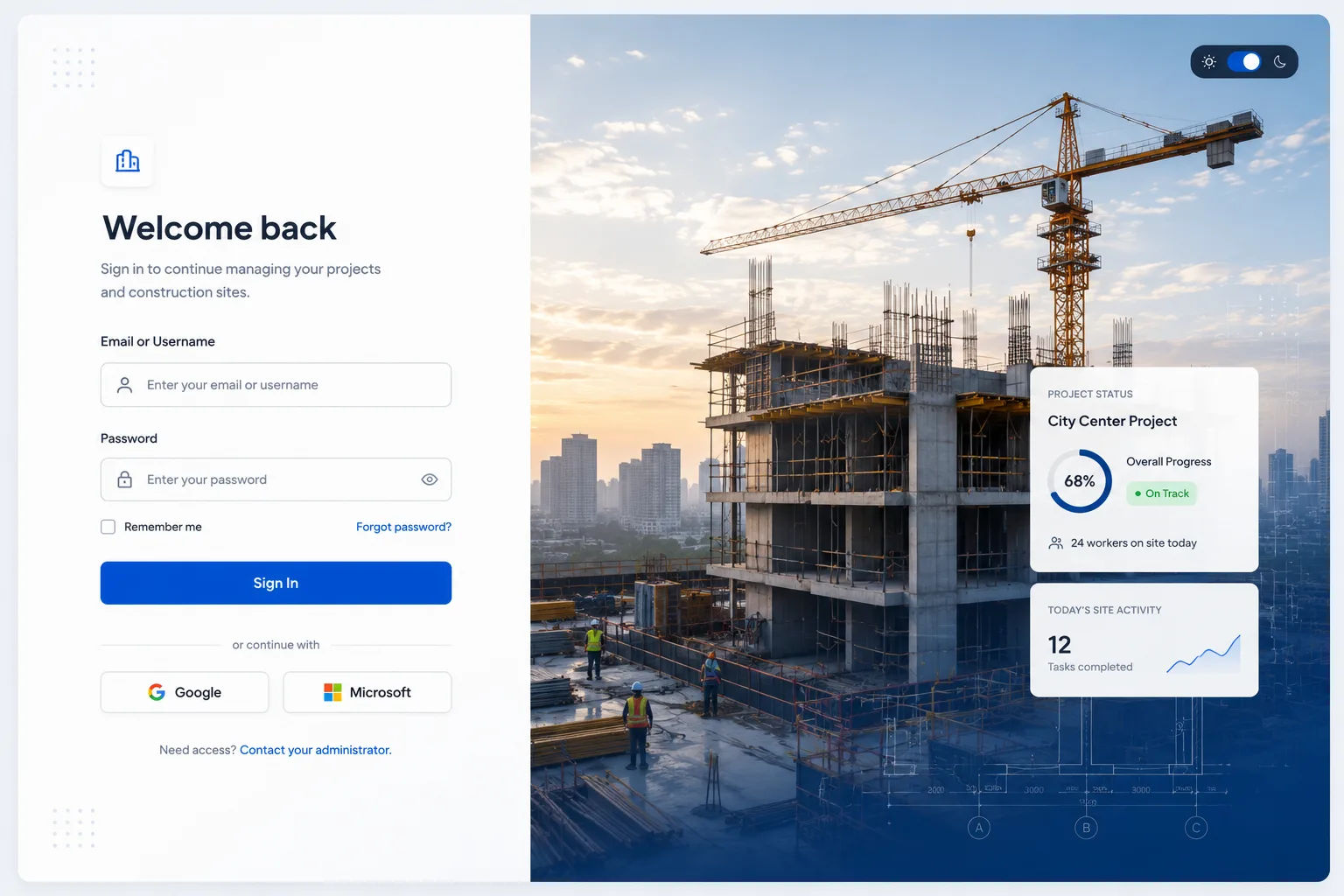
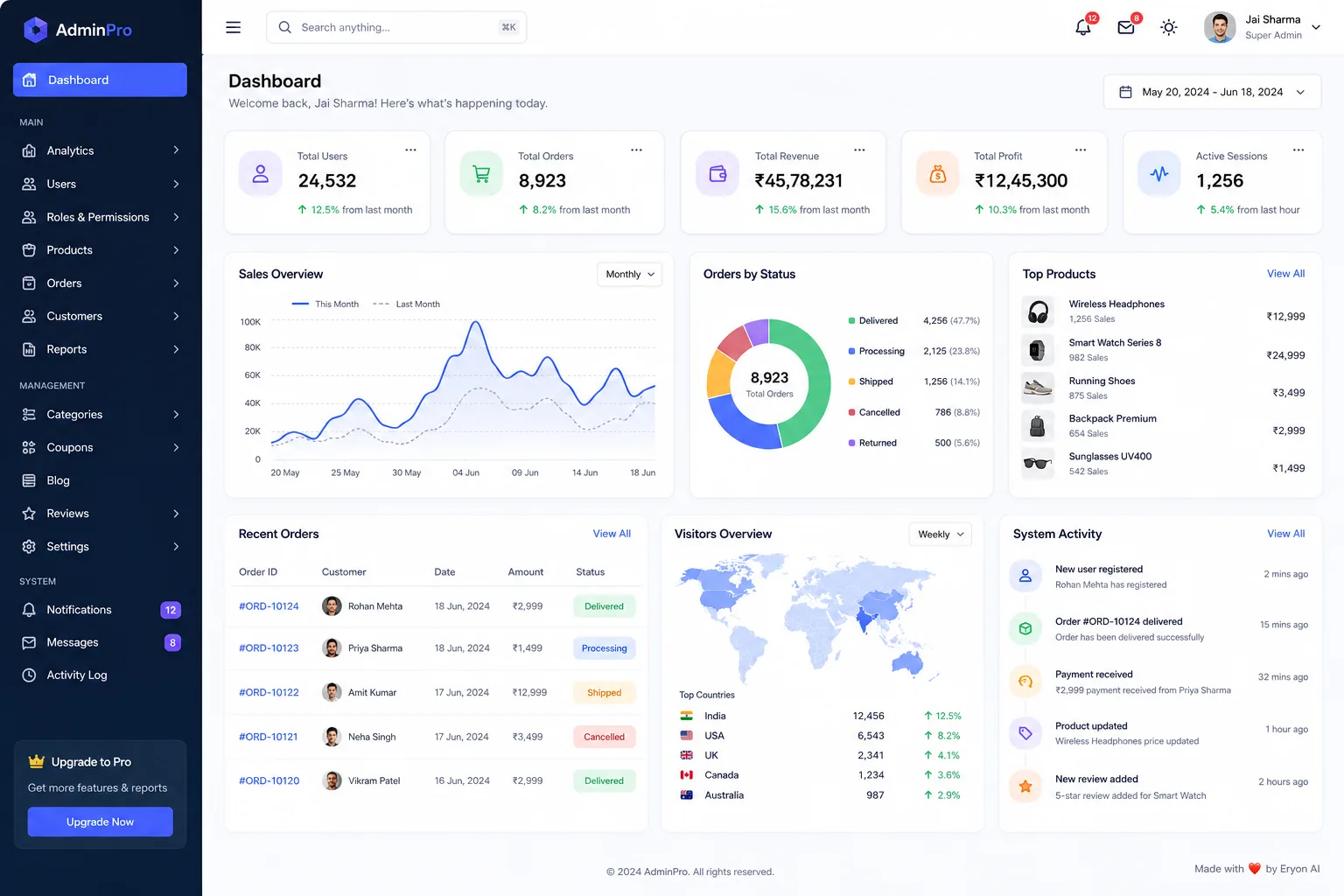
Example Modernization & Integration interface built by Eryon
  • 01

    Legacy system assessment

    Code, data and dependencies reviewed to decide what to keep, wrap or replace.

  • 02

    Application re-engineering

    Rebuilding critical modules on a maintainable stack.

  • 03

    Monolith to modular services

    Separating capabilities along business boundaries, step by step.

  • 04

    Desktop to web migration

    Moving desktop or on-premise tools to secure web applications.

  • 05

    API enablement

    Adding APIs in front of legacy systems so new tools can integrate.

  • 06

    Data migration

    Cleaning, mapping and verifying data moved between systems.

  • 07

    Third-party integration

    Connecting CRM, ERP, accounting, payment and messaging platforms.

  • 08

    Cloud re-platforming

    Moving workloads to managed cloud services.

Use Cases

When clients bring us in.

Unmaintainable legacy code

Few people can change it and every change is risky.

Desktop or on-premise software

Tools that should be accessible from anywhere.

Integration blockers

Systems that can't share data with newer tools.

Scaling limits

A monolith that can't handle today's load.

Where It's Used

Problems we solve, sector by sector.

  • Manufacturing

    The problem
    Core operations run on an ageing desktop ERP.
    What we build
    Web-based modules replacing the old system one area at a time.
  • Financial services

    The problem
    Old systems block new digital products.
    What we build
    API layers that expose legacy data safely to new applications.
  • Logistics

    The problem
    A monolith slows down at peak volume.
    What we build
    Event-driven services that isolate and scale the busiest parts.
  • Education and healthcare

    The problem
    Several disconnected tools hold the same records.
    What we build
    Consolidation into one platform with verified data migration.
  • Retail

    The problem
    E-commerce, POS and inventory don't sync.
    What we build
    Integration middleware keeping stock and orders consistent.
  • Growing startups

    The problem
    The first version can't support the next stage of growth.
    What we build
    Targeted refactoring of the parts that limit scale, without a full rewrite.

Recognise your situation here?

Talk to an engineer

How We Deliver

Delivery you can plan around.

Assessment first

A written modernization plan with sequencing and risks.

No big-bang cutovers

Each stage is released and proven before the next.

Parallel verification

Old and new outputs compared before switching over.

Rollback plans

Every migration step has a documented way back.

Deliverables

  • System assessment and modernization plan
  • API and integration layer
  • Replacement components
  • Data migration and verification reports
  • Updated architecture documentation

Technology Stack

Tools we use for this work.

  • Java
  • Spring Boot
  • Node.js
  • Python
  • PostgreSQL
  • MySQL
  • MongoDB
  • Apache Kafka
  • RabbitMQ
  • Docker
  • Kubernetes
  • AWS
  • Azure

Security & Scalability

  • Event-driven integration

    Queues and events decouple systems so one failure doesn't cascade.

  • Contract testing

    Interfaces between old and new are tested automatically.

  • Data integrity checks

    Counts and checksums verify every migration.

  • Security uplift

    Modern authentication and access control introduced along the way.

Process

From first workshop to production.

  1. 01 · Discover

    Workshops with the people who run the process today. We map how work actually moves, where it stalls and what the system must never get wrong.

  2. 02 · Define

    A written scope: users and roles, core workflows, integrations, non-functional requirements and a release plan you can hold us to.

  3. 03 · Architect

    Data model, service boundaries, hosting, security model and the trade-offs behind each choice — reviewed with your team before code starts.

  4. 04 · Build

    Short sprints with a working demo every week. Code review on every change, automated tests on the paths that carry money or data.

  5. 05 · Validate

    Functional QA, role-by-role acceptance, performance checks and a security pass before anything reaches production users.

  6. 06 · Scale

    Staged rollout, monitoring and a support window. Then the backlog of improvements that only real usage reveals.

Related Case Studies

Where we've done this before.

Logistics & Delivery · Web

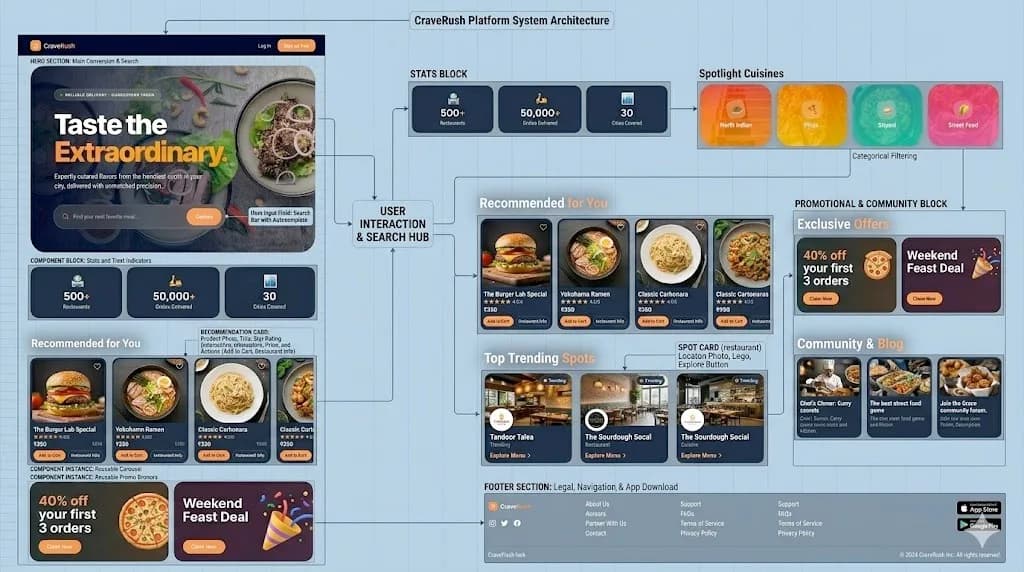
CraveRush

Event-driven food delivery platform

Challenge
A monolithic delivery system would let one overloaded component take down checkout during peak demand.
Solution
Spring Boot microservices communicating through Apache Kafka, with separate data stores for transactions and menus.
Outcome
A delivery platform where a failure in one service does not stop customers from ordering and paying.
Technology
  • Java
  • Spring Boot
  • Apache Kafka
  • React
  • PostgreSQL
  • MongoDB
Read the case study

Construction & Infrastructure · Web

Construction ERP

Project, workforce and billing platform for an infrastructure firm

Challenge
Dozens of concurrent construction projects were run from disconnected spreadsheets for attendance, payroll and billing.
Solution
A role-based ERP for site teams, contractors and clients, with automated wage calculation and client ledgers.
Outcome
Attendance, payroll, materials, documents and client billing across concurrent sites in one role-based system.
Technology
  • Next.js
  • FastAPI
  • PostgreSQL
  • MinIO
  • Redis
  • Docker
Read the case study

FAQs

Common questions.

Should we rewrite from scratch?

Rarely. Full rewrites carry high risk and take longer than expected. We usually recommend replacing the system in stages while it keeps running.

How do you avoid downtime during migration?

By running old and new components in parallel, comparing outputs and switching traffic gradually, with a rollback plan for each step.

Can you work with old technology?

Yes. Assessment includes understanding the existing stack well enough to integrate with it safely.

Do you integrate third-party products?

Yes — CRM, ERP, accounting, payments, messaging and e-commerce platforms through their APIs.

What is software modernization?

Software modernization means updating ageing applications — their architecture, technology, hosting or integrations — so they are easier to change, secure and scale, while preserving the business logic they contain.

How do you migrate data without losing records?

We map every field, clean and transform data in repeatable scripts, and verify counts and checksums before and after migration, with sign-off from your team.

Can you integrate our system with third-party APIs?

Yes — payment gateways, messaging providers, accounting software, logistics partners and other platforms through their official APIs.

How long does modernization take?

It depends on system size. Because we modernize in stages, the first improvements reach users early rather than at the end of a long project.

Planning a project
like this?

Tell us what the system needs to do. We'll reply within 24 hours with questions, not a sales script.